A short post, highlighting three papers published in recent weeks that I have had the fortune of contributing to. All use networks of drip loggers in caves to record water movement from the surface to the water table.
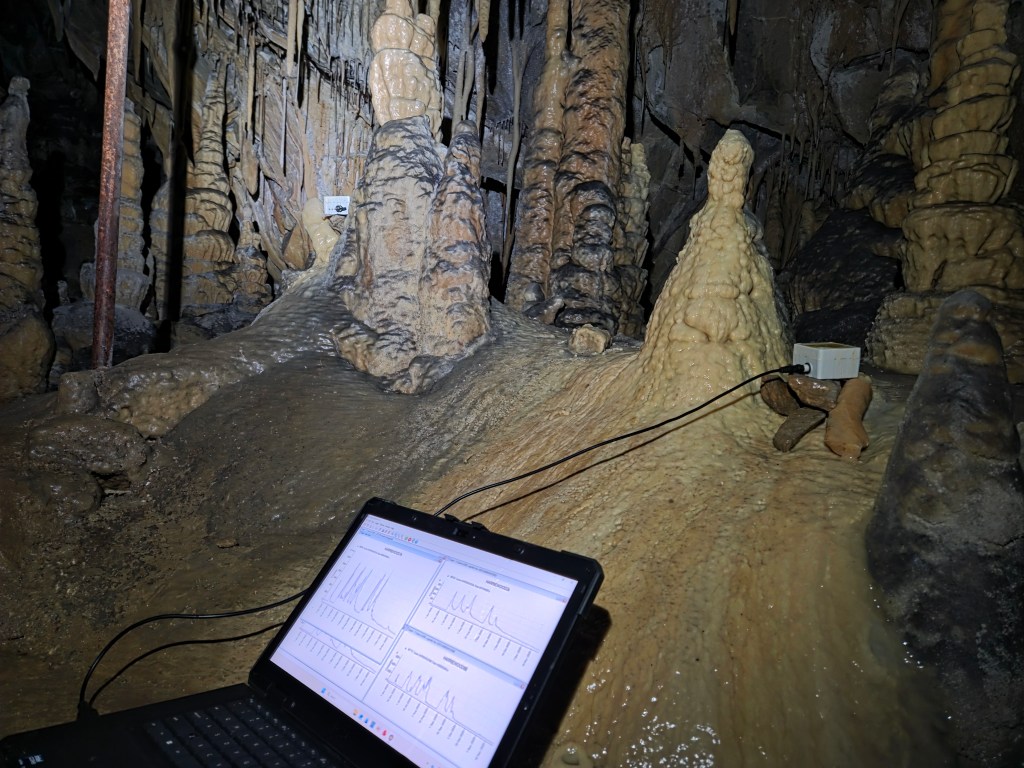
First, led by Akhilesh Kumar at UNSW Sydney, is a satellite remote sensing study. Can we use satellite-derived products, such as rainfall, vegetation characteristics and soil moisture, to understand when recharge events might occur acorss a variety of rock types and climates? Using a network of drip loggers in caves and mines across SE Australia, the paper ‘Investigating correlative & causal drivers of precipitation-driven groundwater recharge occurrences in southeastern Australia’ gives the answer. Take a trip via Capricorn Caves in Queensland, Walhalla Heritage Gold Mine in Victoria and Derby Tunnel in Tasmania, and find out more here (Open Access) in the Journal of Hydrology: Regional Studies.
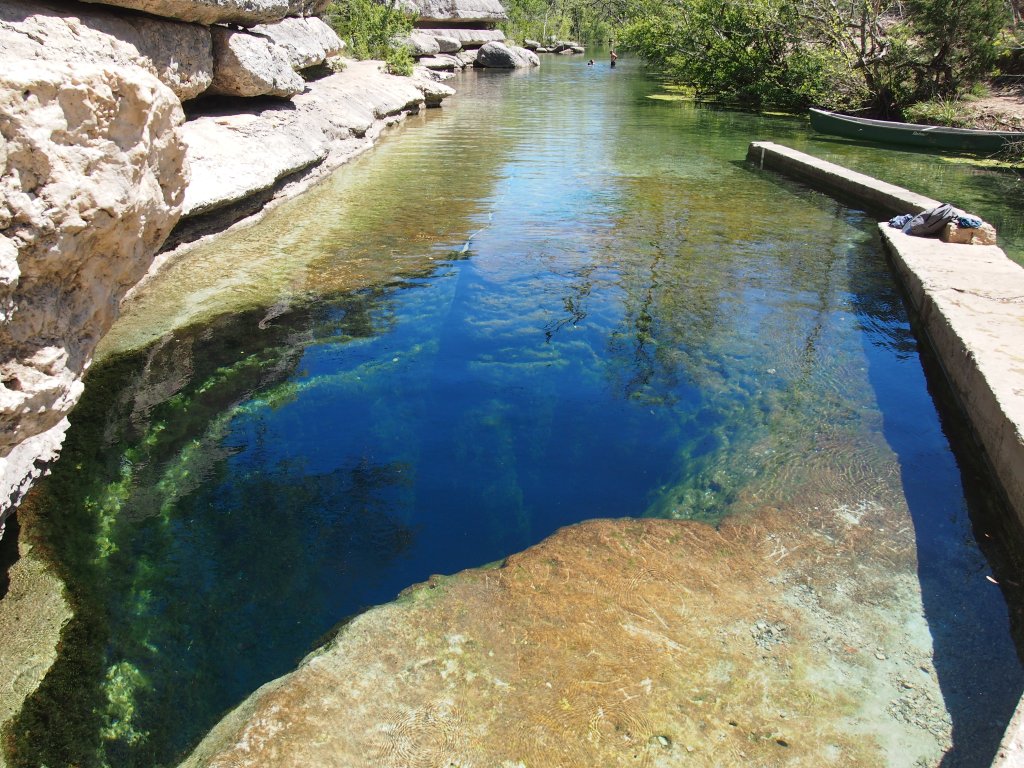
Second, led by Kashif Mahmud and Rowann Remie at Midwestern State University in the USA, uses another network of cave drip loggers, this time distributed throughout Natural Bridge Caves in Texas. The paper, ‘Heterogeneity of karst water movement revealed through cave drip hydrology’, tackles the question of the controls on water movement in karstified limestone. What is more important control on the variability of water movement – depth below surface, geology, or something else? You can read more here (Open Access) in Frontiers in Water. The paper reports the first year of cave monitoring, and you can check out what has happened since at forthcoming conferences in the USA.
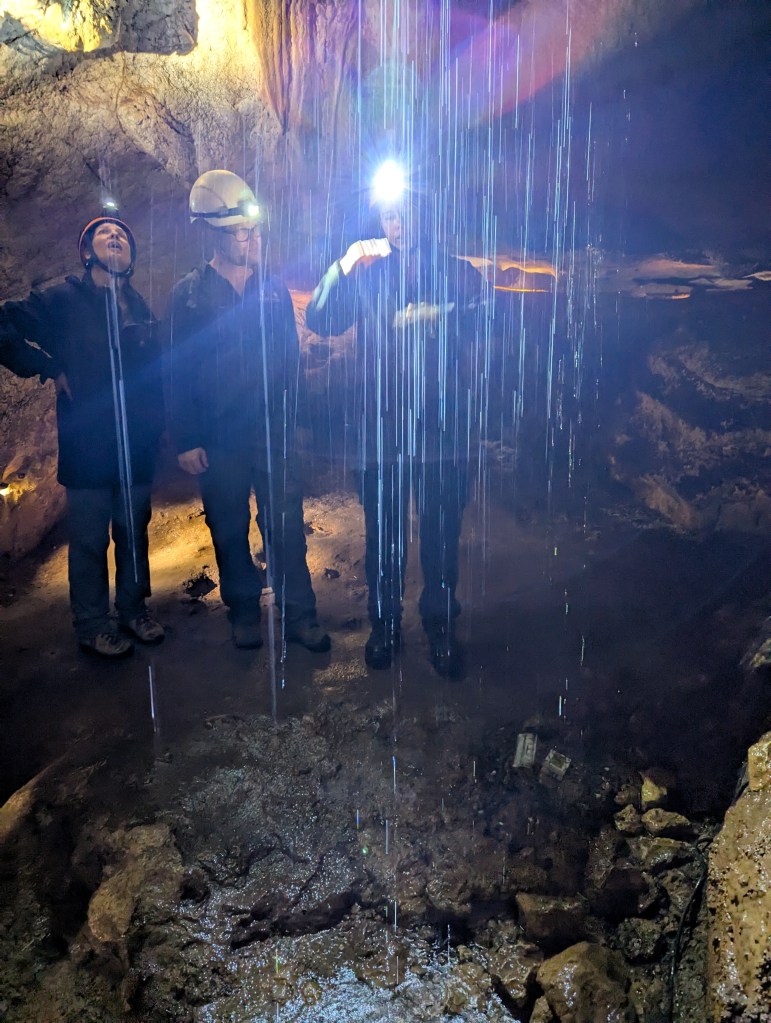
Third, led by Danyang Sun at UNSW Sydney, uses time series analyses to conceptualise water movement across a range of climate zones and carbonate rock types, using a network of cave drip loggers in SE Australia. Her paper, ‘Classification and Conceptualization of Karst Recharge Processes Through Spectral and Change Point Analysis of Drip Water Dynamics’ is just published in the journal Water Resources Research. You can take a tour from Naracoorte Caves in the relative young porous limestones of South Australia through to Capricorn Caves in ancient reef limestone in Queensland, and read the conceptualisation of water movement here (Open Access).
Many thanks to all of our partners and collaborators, including Prof. Wendy Timms; Dr. Margaret Shanafield (Flinders University); Dr Liza McDonough (ANSTO); the Kempsey Speleological Society Cave Studies Team; Capricorn Caves; Walhalla Heritage Long Wall Gold Mine; regional councils including Dubbo Regional Council; National Parks and Wildlife Service teams at Naracoorte, Wombeyan, Yarrangobilly and Mole Creek; and private land owners. The research was funded by the Australian Research Council project ‘National Groundwater Recharge Observing System’.
The references:
Sun, D., Baker, A., Andersen, M.S., McDonough, L.K., Shanafield, M.S and Kumar, A., 2026. Classification and Conceptualization of Karst Recharge Processes Through Spectral and Change Point Analysis of Drip Water Dynamics. Water Resources Research, 62, e2025WR042816.
Mahmud, K., Remie, R,, Gary, M., Price, J.D., Katumwehe, A., Vauter, B. and Baker, A., 2026. Heterogeneity of Karst Water Movement Revealed Through Cave Drip Hydrology. Frontiers in Water, 8, 1892078.
Kumar, A., Baker, A., Andersen, M.S., Timms, W., Fisher, A.G. and Sun, D., 2026. Investigating correlative & causal drivers of precipitation-driven groundwater recharge occurrences in southeastern Australia. Journal of Hydrology: Regional Studies 66, 103547


Leave a comment